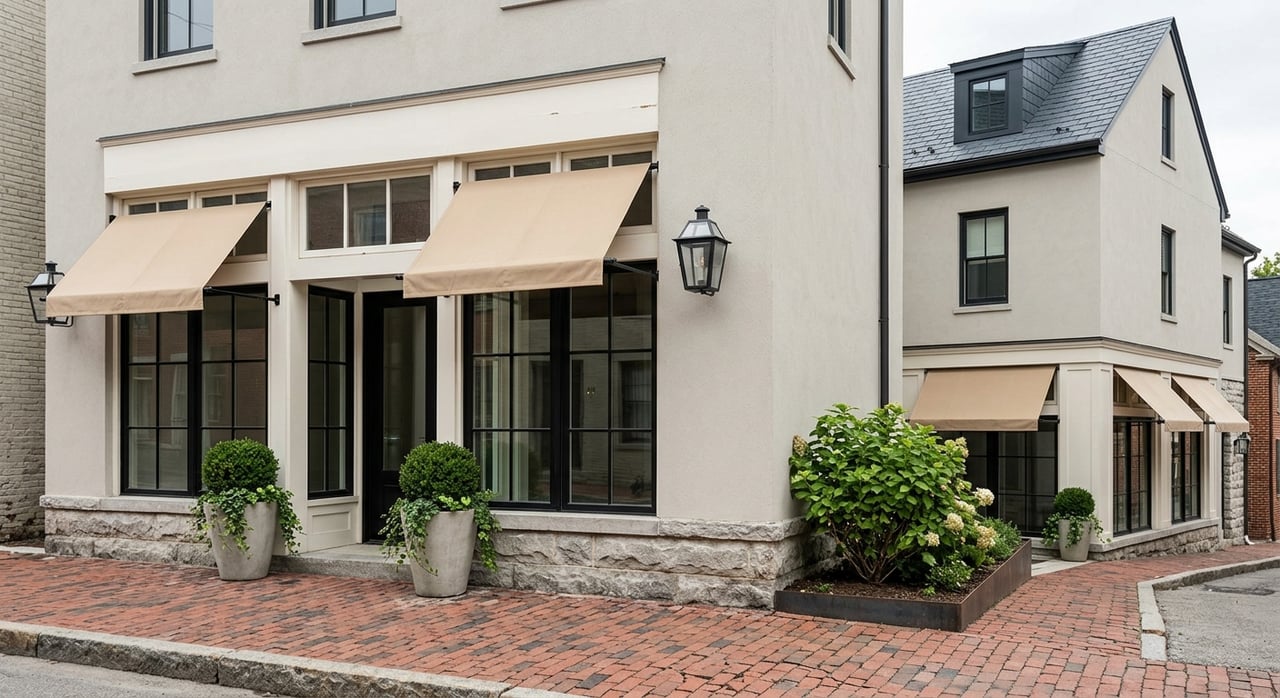
If you are thinking about buying in Westchester, Bronxville is the kind of place that makes an immediate impression on foot. Instead of trying to understand a town through a windshield, you can see how daily life fits together in just a few blocks. This walk through Bronxville will help you picture the commute, the downtown rhythm, the parks, and the housing character so you can decide whether this village matches the way you want to live. Let’s dive in.
Why Bronxville stands out
Bronxville is small in the best possible way. The village has an estimated 6,504 residents in 2025 and covers just 0.97 square miles, which helps explain why so much of the center feels easy to reach on foot.
That compact scale shapes the lifestyle. Official village materials place Bronxville about 15 miles north of Midtown Manhattan, and the Metro-North Harlem Line connects the Bronxville station to Grand Central in about 28 minutes. If you want a suburban setting with strong rail access, that combination is a big part of the appeal.
Bronxville also has an established residential profile. Census figures show an 84.2% owner-occupied housing rate, a median household income of $215,815, and a median owner-occupied home value of $1,095,100. For future homeowners, those numbers help frame Bronxville as a mature, high-amenity village rather than just a quick commuter stop.
Start at Bronxville station
A natural place to begin your village walk is Bronxville station and Station Plaza. It gives you an instant feel for how the commute connects to the rest of town.
One practical detail stands out right away: you can grab coffee almost as soon as you arrive. Bronxville Coffee House is located at 2 Station Plaza, which makes the station area feel like part of everyday village life, not just a transit point.
The station is also useful if you like outdoor access close to downtown. An official MTA Away guide notes that Bronxville station is a convenient starting point for the Bronx River Pathway, with access a few blocks west at Palmer Road and Paxton Avenue.
Walk Pondfield Road
Pondfield Road is the main retail spine of Bronxville. If you want to understand how the village functions day to day, this is where the picture comes together.
Current chamber listings show a mix of shops on or near Pondfield Road, including The Silk Road at 101 Pondfield Road, Etoile Home at 5 Pondfield Road, Trapp Opticians at 42 Pondfield Road, and La Gravinese Jewelers at 115 Pondfield Road. The names matter less than what they signal: this is a concentrated downtown where errands, browsing, and daily routines overlap.
The broader business mix adds to that convenience. According to the chamber, residents can access a grocery store, pharmacies, restaurants, banks, salons, doctors, dentists, fitness options, children’s activities, and community organizations within the district.
That kind of variety matters when you are choosing a place to live. It means your home search is not only about square footage or style. It is also about whether your daily routine feels simple once you are there.
Notice the long-running local businesses
Bronxville has the kind of business continuity that gives a downtown real character. Trapp Opticians, for example, notes that it was founded in 1945 and remains in its original location.
For a buyer, details like that can say a lot. Long-tenured local businesses often reflect a center that feels stable, familiar, and woven into residents’ routines over time.
Explore Kraft Avenue and Park Place
From Pondfield Road, it is easy to keep walking into the dining part of the village center. This is where you start to see how Bronxville works beyond the morning commute.
Bronxville Diner is at 112 Kraft Avenue, Tredici Social is at 104 Kraft Avenue, and Häagen-Dazs is at 28 Park Place. Together, they create an easy coffee-to-meal-to-treat loop that many buyers look for when they want a town with an active center.
Tredici Social is a good example of Bronxville’s dining profile. Its chamber description highlights handmade pastas, seafood, steaks, wine, and cocktails, which suggests that the village center stays relevant well beyond breakfast and lunch.
The chamber’s event calendar adds another layer to that story. Programming for 2026 includes a farmers’ market, sidewalk sales, concerts, Oktoberfest, and Small Business Saturday, all of which reinforce the sense of a downtown with a regular community rhythm.
Visit the Four Corners civic core
Every village has a place that helps you understand how local life is organized. In Bronxville, that place is the Four Corners area on Pondfield Road.
Official village materials identify this civic square as the location of Village Hall, the library, the school, and the Reformed Church. When you stand there, it becomes easier to picture how civic, cultural, and residential life meet in one compact area.
Village Hall is at 200 Pondfield Road, and the Bronxville Public Library is at 201 Pondfield Road. The village also notes that its public school sits at the heart of the community and that more than 95% of village families choose the public school.
For homebuyers, that does not tell you what to value. It simply helps explain how central the school is to village identity and daily activity.
The library is also worth noting as more than a service building. The village describes it as a cultural center and meeting place, and its history page says the current building was completed in 1942, with a 2001 renovation that added 70% more space.
Add parks to your walk
One of Bronxville’s strengths is that green space is woven into the village instead of pushed to the edges. Even with its compact size, the village includes several parks and open areas.
Official village facilities list Bicentennial Park at Meadow Avenue and Pondfield Road, the Bronx River Reservation including Duck Pond and The Meadow at Palmer Avenue and Paxton Avenue, Dogwood Park on Garden Avenue, Francis Bacon Park on Kensington Road, and Maltby Park on Paxton Avenue.
Dogwood Park is described by the village as a tree-lined, sloping park nestled between Garden Avenue and Valley Road. Maltby Park is a 2.6-acre green space with benches and nearby paddle tennis courts.
These are useful details when you are trying to imagine day-to-day life. In a small village, even modest green spaces can have a big impact because they are easy to reach and naturally part of your routine.
Consider the river and trail access
If outdoor access matters to you, Bronxville offers more than pocket parks. The Bronx River setting is an important part of the village experience.
The village also has a Nature Preserve near Archer Place and Crawford Street. It consists of three contiguous open-space parcels intended to give residents a place to enjoy nature within a dense village setting.
If you expand your walk a bit, Scout Field is another notable resource nearby. Westchester County says it spans 22.9 acres across Bronxville, Mount Vernon, and Yonkers and supports walking, biking, running, and nature study along the Bronx River Pathway.
This is one reason Bronxville can feel balanced. You get a compact downtown and commuter convenience, but you are not cut off from outdoor spaces.
Look at the architecture closely
For many future homeowners, Bronxville’s biggest draw is visual. The housing and civic architecture give the village a strong sense of identity.
The Lawrence Park Historic District is listed on the National Register of Historic Places. The National Park Service identifies Colonial Revival, Classical Revival, and Tudor Revival as the district’s main styles.
The village’s own overview broadens that picture, noting that Bronxville includes Tudor, Colonial, and Victorian homes along with townhouses and apartments. That range matters because it shows that the village is not defined by just one housing type.
As you walk, you are not only looking at beautiful streetscapes. You are also noticing what kind of setting feels right for you, whether that is a detached home, a townhouse, or an apartment in a more historic village context.
See how history shapes the center
Bronxville’s civic core tells part of the architecture story too. The Four Corners includes Village Hall, the library, the school, and the Reformed Church, which the village identifies as a 1925 stone building designed by Harry Leslie Walker.
If you want one more historic stop, the Bronxville Women’s Club at 135 Midland Avenue is also listed on the National Register of Historic Places as a Colonial Revival building. These landmarks help reinforce that Bronxville feels preserved, not accidental.
For readers who enjoy local history, the village’s History Center is located in the lower level of the library. It holds papers, photographs, maps, books, artifacts, and older village records, while the Bronxville Historical Conservancy supports lectures, tours, and preservation work.
What this walk tells future homeowners
The clearest takeaway from a Bronxville village walk is that the lifestyle is easy to picture. You can move from train to coffee, from errands to lunch, from civic spaces to parks, all within a very small footprint.
That does not mean life here is car-free. The village parking system includes one indoor garage, nine surface lots, about 600 on-street meters, and additional time-limited areas, so driving and parking are still part of the practical picture when needed.
For many buyers, that balance is exactly the point. Bronxville offers a walk-first environment, a concentrated downtown, rail access, green space, and a strong architectural identity in one compact setting.
If you are trying to decide whether Bronxville fits your move, walking it is one of the best ways to understand it. And if you want help comparing Bronxville with other Westchester villages, planning a relocation, or finding the right type of home here, Totally Westchester is ready to help.
FAQs
What makes Bronxville walkable for future homeowners?
- Bronxville’s 0.97-square-mile footprint, concentrated downtown, village station, and close mix of shops, dining, civic buildings, and parks make it easy to explore and use on foot.
How long is the Bronxville commute to Grand Central?
- The Metro-North Harlem Line connects Bronxville to Grand Central in about 28 minutes, according to official MTA schedule information.
What can you see on a Bronxville village walk?
- A typical walk can include Bronxville station, Station Plaza, Pondfield Road shops, Kraft Avenue and Park Place dining, the Four Corners civic core, and nearby parks or the Bronx River Pathway.
What types of homes define Bronxville’s character?
- Official and historic sources describe Bronxville as having Tudor, Colonial, Victorian, townhouse, and apartment options, with the Lawrence Park Historic District known for Colonial Revival, Classical Revival, and Tudor Revival architecture.
Does Bronxville have parks and trail access?
- Yes. The village includes several parks and green spaces, plus access to the Bronx River Pathway and nearby Scout Field for walking, biking, running, and nature study.
Is Bronxville only for commuters?
- No. While rail access is a major draw, the village also offers a business district, dining, community events, civic spaces, and parks that support day-to-day local living.