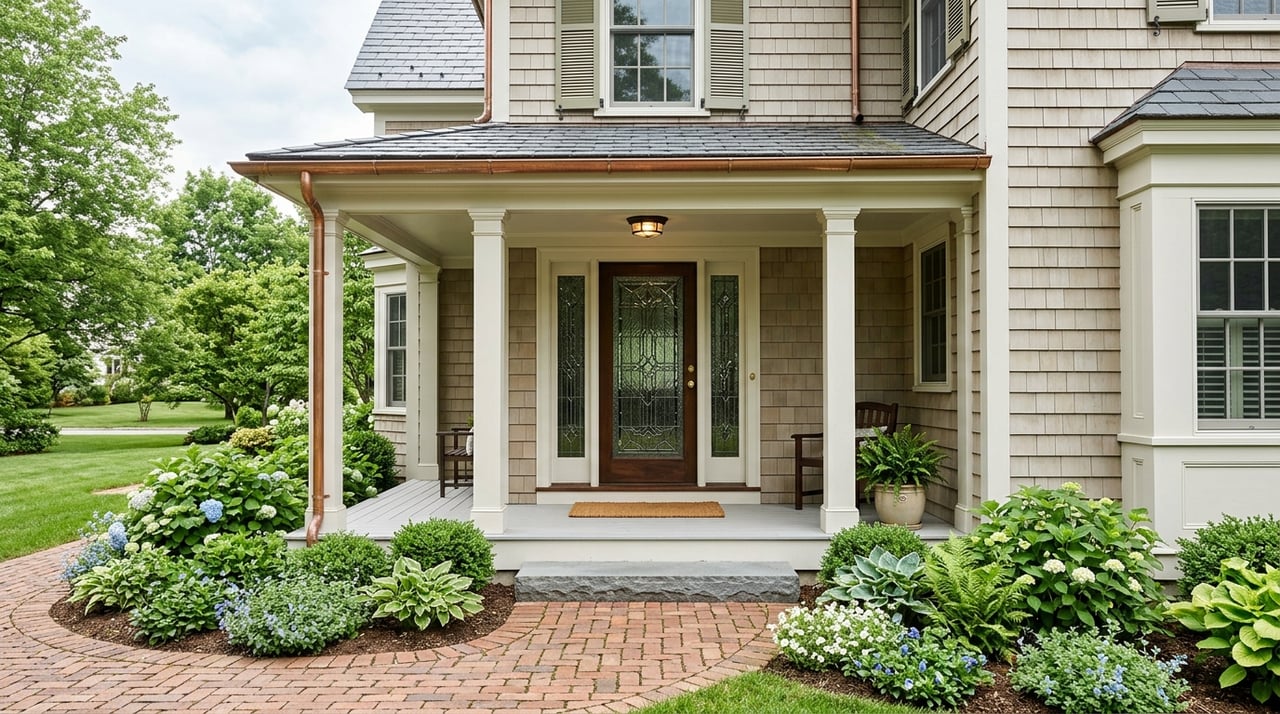
Thinking about buying a historic home in Irvington? It can be one of the most rewarding ways to put down roots in the Rivertowns, but it also comes with questions you do not always face in a newer house. You may be weighing charm against upkeep, wondering what “historic” really means, or trying to understand how renovation rules work before you make an offer. This guide walks you through what to know so you can buy with more clarity and confidence. Let’s dive in.
Irvington’s Historic Housing Story
Irvington has a real concentration of older homes, especially in and around its Main Street historic core. According to the Village of Irvington’s historic district background information, the Main Street area alone includes more than 200 structures built between 1850 and 1930.
The village’s historic district materials describe a compact district with 274 contributing and 44 non-contributing structures stretching from the Hudson River to Broadway and divided by the Old Croton Aqueduct. That gives you a sense of how much of Irvington’s visual identity is tied to older architecture and a traditional village layout.
What many buyers love is the variety. The Historic District Design Guide notes that many residential buildings are wood-framed, two- or three-story houses with Greek Revival, Colonial Revival, Gothic Revival, Queen Anne, Second Empire, Italianate, and Tudor influences.
Even with that mix, the area tends to feel cohesive. Similar rooflines, porches, spacing, and scale help create a consistent streetscape, which is a big part of the appeal if you want a home with character and a strong sense of place.
Where You’ll Find Older Homes
If you picture historic Irvington, you are probably picturing the streets that radiate from Main Street. The village says this historic core developed as a 19th-century neighborhood with small, closely sited houses, which is part of why the area feels walkable and visually connected.
That said, older homes in Irvington are not limited to the village center. The Irvington Historical Society explains that large estates shaped the village from the mid-19th through early-20th centuries, and some of those properties were later subdivided.
For you as a buyer, that means Irvington’s historic housing stock can show up in different forms. In the village core, you may see smaller-lot homes close to downtown amenities. In estate-influenced areas, you may find older homes on larger lots with a different layout and setting.
What “Historic” Actually Means
One of the biggest points of confusion is the word “historic” itself. A home can be older, architecturally notable, or historically significant without every repair or change being tightly regulated.
The National Park Service makes an important distinction: listing on the National Register by itself does not restrict a private owner under federal law unless federal assistance, licensing, or permitting is involved. In plain English, historic significance and legal restrictions are not always the same thing.
Irvington also has its own local landmark process, and that is often the more practical issue for buyers. The village states that a property can be nominated by an owner or non-owner, but designation cannot happen without owner consent, and once designated, the status binds future owners.
That matters because the village code says no locally designated landmark may be demolished or exteriorly altered, restored, or reconstructed without Board of Architectural Review approval. Ordinary maintenance and repair that do not change the design, materials, or outward appearance are still allowed, which is an important distinction if you are planning routine upkeep rather than a visible redesign.
Why Approvals Matter Before You Renovate
If you are buying an older home with plans to update it, do your homework early. It is much easier to understand what is possible before closing than to discover later that a project needs review or a different design approach.
Irvington’s Historic District Design Guide is helpful because it is presented as a practical reference for owners and professionals, not as a rigid rulebook. The guide is intended to preserve historic character while recognizing modern needs, including maintenance and energy conservation.
That balanced approach can be encouraging if you love old houses but still want them to function well day to day. The key is to assume that visible exterior changes may require more planning than they would in a newer home.
A smart buyer move is to ask questions about past approvals, completed work, and any future plans you have in mind. If you know you want to rework windows, siding, porches, or roofing, that conversation should happen early.
How Renovations Are Usually Approached
With historic homes, the standard approach is preservation first. Irvington’s guide outlines a sequence that starts with identifying the features that define the house’s character, then retaining and preserving them where possible, repairing before replacing, and replacing only when necessary with materials and dimensions that match the original.
This logic applies directly to features that often come up during ownership, including roofs, porches, siding, windows, and masonry details. For you, that means renovation decisions are not just about cost or aesthetics. They are also about how the work affects the home’s visible historic character.
That does not mean every project has to become a museum-grade restoration. It means the most successful updates usually respect the home’s original proportions and materials, especially on exterior elements that shape curb appeal.
Inspection Issues To Watch Closely
Older homes can be wonderful, but they deserve a more careful inspection mindset. In Irvington, a practical checklist from the design guide includes roof and flashing wear, gutter issues, masonry or stucco repointing needs, and air leakage around windows and doors.
These are not small details. A charming front porch or original masonry wall can add a lot of appeal, but deferred maintenance in those areas can also become expensive.
If the home was built before 1978, lead-based paint should also be part of your due diligence. The EPA warns that older homes are more likely to contain lead-based paint, and renovation work that disturbs paint should use lead-safe practices and, in many cases, lead-safe certified contractors.
When you are evaluating a historic property, it helps to think beyond style and into systems, exterior condition, and the likely timeline for maintenance. Character is valuable, but so is knowing what may need attention in year one versus year five.
Energy Efficiency In An Older Home
One common concern with historic homes is comfort and utility costs. Drafty windows and older construction can make buyers assume that a full replacement approach is the only answer, but that is not always the best starting point.
The National Park Service guidance on weatherizing historic buildings recommends starting with an energy audit and using the least invasive upgrades first. That can include caulking, weatherstripping, storm windows or storm doors, and attic insulation.
NPS also notes that historic windows and doors can often be repaired or upgraded, and that wholesale window replacement is usually not the best first step from either a preservation or cost-benefit standpoint. That is especially helpful to know if you are trying to balance efficiency, appearance, and budget.
For many buyers, this is reassuring. You may be able to improve comfort significantly without stripping away the details that made you love the house in the first place.
Tax Credits May Be Possible
Some buyers ask whether owning a historic home comes with financial incentives. In New York, certain historic-home rehabilitation projects may qualify for state tax credits, but this is very much a case-by-case situation.
According to the New York State Parks historic homeowner tax credit program, eligibility depends on the property’s register status, the census tract, the amount and type of work, and formal approval before work begins. In other words, treat this as a possible upside, not something you should assume will apply.
If a home and project appear to qualify, it is worth reviewing the requirements before any work starts. Timing and approvals matter.
Historic Charm Versus Newer Convenience
Budget is another place where buyers often need a reality check. The 10533 market is not inexpensive to begin with, and historic charm does not automatically mean a lower purchase price.
A Redfin early-2026 snapshot for 10533 showed a median sale price of about $1.1 million, average days on market of 23, and a seller’s market reading. That tells you Irvington is operating in a high-priced suburban market before you even factor in architecture, location, or lot size.
Recent local examples also show that age alone does not set value. Research examples included a restored 1880 village colonial on Lewis Road at about $686 per square foot, a 1928 Tudor on Hillside Terrace that sold for $1.1 million, a 1987 custom Tudor on Park Road that sold for $2.3 million at about $609 per square foot, and a 1998 colonial in Legend Hollow around $573 per square foot.
The takeaway is simple: historic homes and newer homes can compete in different ways. A house near Main Street may win on architecture, walkability, and village feel, while a later-built property may offer a larger footprint, attached garage, or newer systems with less near-term maintenance.
How To Compare Your Options
If you are deciding between a historic home and a newer one in Irvington, focus on the tradeoffs that will shape your daily life and long-term costs.
| Factor | Historic Home in Irvington | Newer Home in Irvington |
|---|---|---|
| Architecture | Period details and distinct style | More modern layouts and finishes |
| Location pattern | Often closer to Main Street and the historic core | May be in later-developed areas |
| Maintenance | More likely to need ongoing exterior upkeep | Often fewer immediate repair needs |
| Renovation process | Exterior work may require added review | Changes may be more straightforward |
| Energy updates | Often best handled with gradual, less invasive improvements | May already include newer materials and systems |
The right choice depends on what you value most. If you want originality, village character, and a home with a story, a historic property may be the right fit. If you want simplicity, newer systems, and fewer early projects, a later-built home may feel easier.
Smart Questions To Ask Before You Buy
Before you move forward on a historic home in Irvington, try to answer a few practical questions:
- Is the property locally designated, or is it simply older or historically significant?
- What exterior work has been done, and were approvals required?
- What original features remain, and what condition are they in?
- Are the roof, gutters, masonry, windows, and doors showing deferred maintenance?
- If the home predates 1978, what should you know about lead-safe renovation practices?
- Are you comfortable with a repair-first approach for major character-defining elements?
- Would you prefer walkability and architecture, or newer systems and lower near-term upkeep?
These questions can help you move from emotional first impression to informed decision-making. That is especially important in a market where inventory, pricing, and condition all matter.
Buying With Clear Eyes
A historic home in Irvington can offer something hard to replicate: architectural personality, a strong connection to the village’s past, and a setting that feels distinct from newer suburban development. But the best buying experience happens when you understand both the charm and the responsibilities.
If you are considering Irvington, it helps to look at each property through two lenses at once. First, does the home fit the way you want to live? Second, do the condition, approval requirements, and likely upkeep align with your budget and tolerance for projects?
When you go in with that mindset, you are much more likely to end up with a home you love for the right reasons. If you want help comparing homes in Irvington and across the Rivertowns, Totally Westchester can help you make a move with more confidence.
FAQs
What should you know about historic homes in Irvington before making an offer?
- You should confirm whether the home is simply older, listed historically, or locally designated, and you should review condition issues like roofing, gutters, masonry, windows, doors, and possible lead-based paint concerns in pre-1978 homes.
What does local landmark status mean for an Irvington homebuyer?
- For a locally designated Irvington landmark, exterior alterations, restoration, reconstruction, or demolition require Board of Architectural Review approval, while ordinary maintenance that does not change design, materials, or outward appearance remains allowed.
Are historic homes in Irvington always more expensive than newer homes?
- No, the research suggests Irvington homes are priced by factors such as condition, lot size, view, location, and presentation, so a historic label alone does not automatically make a home more or less expensive.
How should you improve energy efficiency in an Irvington historic home?
- A practical first step is an energy audit, followed by less invasive upgrades like caulking, weatherstripping, storm windows or doors, and attic insulation before considering major replacements.
Can you get tax credits for renovating a historic home in Irvington?
- Possibly, because some qualifying New York historic-home rehabilitation projects may be eligible for state tax credits, but eligibility depends on the property’s status, location, project scope, and formal approval before work begins.