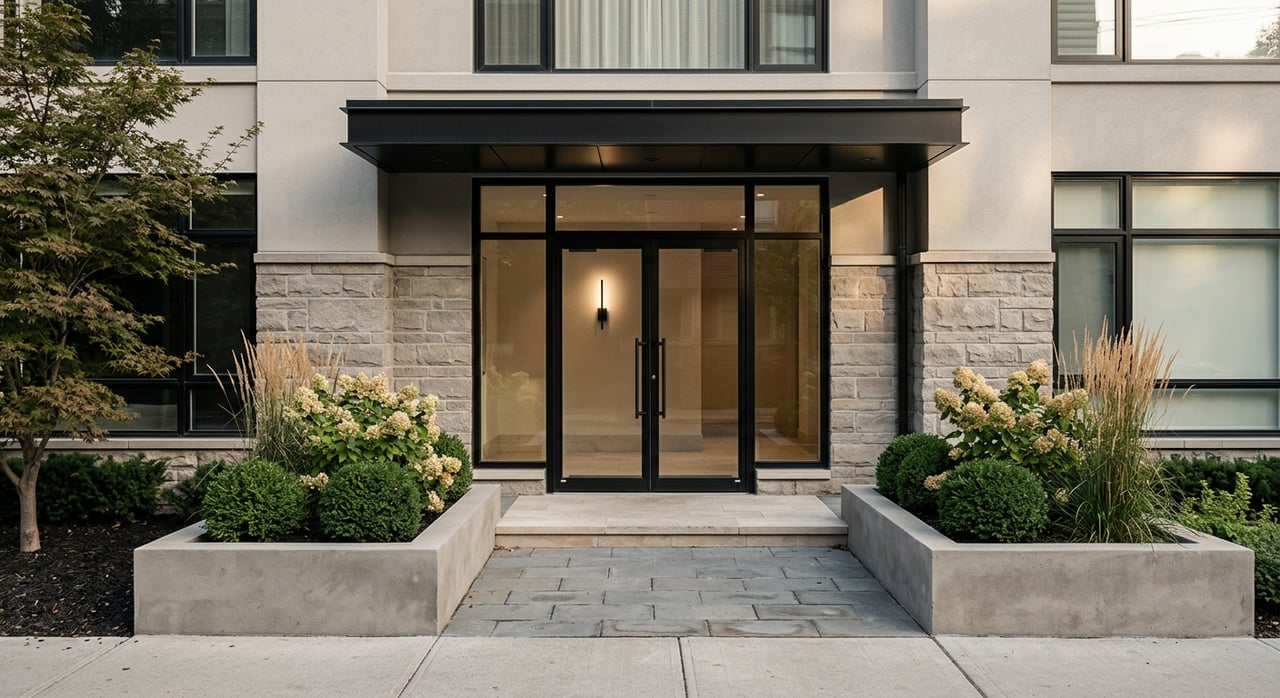
Condo or co-op: which fits your life and budget in New Rochelle? If you are comparing listings and feeling unsure, you are not alone. The two forms of ownership work very differently, and those differences show up in financing, monthly costs, approval steps and resale. In this guide, you will learn the plain-English pros and cons, where each option tends to be located in New Rochelle, and how to compare them side by side. Let’s dive in.
Condo vs co-op: what you own
In a condominium, you receive a deed to your unit plus a shared interest in the building’s common areas. It is treated as real property, and you pay monthly common charges for building services along with a separate property tax bill. You can review the state’s overview in the New York Attorney General’s guide, which explains how condo ownership works and what to review before you buy. New York’s AG guide to condos and co-ops
In a cooperative, you buy shares in a corporation that owns the building. Those shares come with a proprietary lease for your specific apartment. Monthly maintenance usually bundles your share of building operating costs and the building’s property taxes, and it may include a portion of an underlying mortgage if the co-op has one. New York’s AG guide to condos and co-ops
Key takeaway: ownership form affects your loan type, closing costs, taxes and the approval process.
Purchase process and board approvals
Condo purchases follow a standard real estate closing: contract, appraisal, title search, title insurance and closing. Condos have rules and homeowners associations, but buyers are not typically required to pass a full board interview. Timelines are usually more predictable once your financing is set.
Co-ops add a board approval step after the seller accepts your offer. The board package can be intensive with tax returns, bank statements, employment verification and references, and many boards require interviews. Boards can deny applicants who would otherwise qualify for financing if the financial profile or fit does not align with the bylaws, so plan on several extra weeks for board review. A good practice in New York is to review offering plans and building documents with your attorney, especially for sponsor sales. AG guidance on plans and buyer protections • Co-op board process overview
Financing and closing costs
Most condos can be financed with a standard mortgage. If you need a low down payment and plan to use FHA or VA, condos may qualify when the project or unit meets federal criteria. HUD allows project approvals and, in some cases, single-unit approvals, so it is important to confirm a building’s status early with your lender. HUD’s condominium approval information
Co-ops are financed with share loans. Fewer lenders offer them, and underwriting typically looks at both your finances and the building’s financial health. Many co-ops set higher down payment and post-closing liquidity expectations compared with condos.
Closing costs differ too. Condo buyers usually pay title insurance and a mortgage recording tax where applicable. Co-op buyers typically do not pay title insurance or a mortgage recording tax, but should budget for application and stock transfer fees. Both require attorney fees. Co-op vs condo closing and financing basics
Monthly costs and taxes
Co-op maintenance often includes the building’s property tax bill, staffing, insurance and some utilities. If the co-op has an underlying mortgage, your maintenance may include your share of that payment. This can make the monthly figure look higher, but remember that taxes are included in that number.
Condo owners pay two separate monthly obligations: common charges for building services and a separate property tax bill to the municipality. That split can make the monthly number look lower until you add taxes.
Compare apples to apples. Add up your full carrying cost: mortgage, maintenance or common charges, property taxes and insurance. Reviewing the building’s reserve fund and history of assessments can also help you gauge future costs. How to compare carrying costs and reserves
Resale, renting and rules
Condos usually attract a broader buyer pool because investors and a wider range of loan products are permitted. That can make financing and resale more flexible. Many condo associations allow rentals with some rules, which can help if you need to relocate later.
Co-ops typically have a narrower buyer pool because of board approvals and financing limits, which can affect time to sell. Subletting is often restricted, with owner-occupancy minimums or caps on the percentage of units that can be rented. Renovations in co-ops generally require board or management approval, while condos tend to allow more interior changes within building rules. Investor, sublet and renovation considerations
Where each option is in New Rochelle
Downtown near the Metro-North station has seen the most recent redevelopment. New mixed-use projects close to transit and amenities have added market-rate rentals and condominiums, which appeal to buyers who want a quick commute and a walkable setting. You can see examples in the city’s redevelopment news and local coverage of projects like Westchester Place. City of New Rochelle redevelopment updates • Local press on Westchester Place
Older mid-rise and garden-style co-ops are common in and around downtown and in established neighborhoods such as Residence Park and Isle of San Souci. These buildings appear frequently in local co-op listings and can offer strong value for owner-occupants who want to be near transit and services at a lower price point per square foot.
Suburban single-family neighborhoods, including Beechmont, Rochelle Park and Premium Point, are primarily detached homes, so most condo and co-op options cluster closer to downtown. Always confirm the property type in the listing because New Rochelle’s multifamily inventory has been evolving with ongoing projects.
Which option fits your goals
First-time buyers using low-down programs
If access to FHA or VA matters, start with condos and confirm the building’s eligibility or the possibility of a single-unit approval with your lender. Co-ops can be less expensive per square foot, but many require larger down payments and stronger post-closing liquidity.
Downsizers seeking simplicity
Older mid-rise co-ops often bundle taxes and building costs into one monthly maintenance payment, which can simplify budgeting. Building staff and a managed environment also appeal to many long-term owners who want less to manage day to day.
Daily commuters to Manhattan or White Plains
If a quick walk to the New Rochelle Metro-North station is a priority, you will find options in newer downtown condos as well as some co-ops within walking distance. Compare commute time from each specific address rather than relying on general neighborhood boundaries.
Investors and planners
Condos tend to be more investor-friendly because subletting is usually more flexible. Many co-ops restrict rentals and closely manage investor occupancy, so always verify the sublet policy before you buy with renting in mind.
Buyer checklist for New Rochelle
Use this list to compare a condo and a co-op you are touring. Ask your attorney and lender to help you document the answers.
- Title and ownership: deed for a condo, share certificate plus proprietary lease for a co-op. AG ownership overview
- Sponsor sale or resale: if it is a sponsor sale, review the Attorney General offering plan with your attorney.
- Board rules and sublet policy: co-ops are often stricter; confirm owner-occupancy rules and rental caps.
- Required down payment and post-closing liquidity: ask the building for written guidelines.
- FHA or VA eligibility for condos: ask your lender to check project or single-unit approval status. HUD condo approval basics
- True monthly carrying cost: add mortgage, maintenance or common charges, property taxes and insurance.
- Reserves and special assessments: request recent budgets and board minutes to see the pattern.
- Underlying mortgage in a co-op: if present, understand how it affects maintenance.
- Condo association minutes and any pending litigation or major contracts.
- Parking, storage and pets: confirm whether items are deeded, assigned or waitlisted.
- Commute check: measure walk time to Metro-North or bus routes and review typical train schedules.
- Team up with local pros: choose an attorney and a lender who work often with Westchester co-ops and condos.
How to decide quickly
- If you want the widest financing options, easier resale and more flexible rental rules, lean condo.
- If you prioritize value per square foot and are comfortable with a detailed approval process and consolidated monthly billing, explore co-ops.
- No matter what you choose, compare total monthly costs and the building’s financial health, not just the list price.
Ready to compare specific buildings and neighborhoods based on your budget and commute needs? Let’s talk through your options and map a plan that fits your timing and finances. You can always reach out to Totally Westchester for local guidance tailored to your move.
FAQs
What is the core difference between condos and co-ops in New Rochelle?
- Condos give you a deed to your unit and a separate property tax bill, while co-ops give you shares in a corporation plus a proprietary lease, with taxes typically bundled into monthly maintenance.
How do FHA or VA loans work for condos here?
- FHA and VA can be used on condos when the project or the individual unit meets federal approval criteria, so ask your lender to confirm status early in your search.
Are co-ops usually cheaper than condos in New Rochelle?
- Co-ops often have lower prices per square foot, but monthly maintenance can be higher since it usually includes property taxes, so compare total carrying cost across both.
How long does co-op board approval take compared with a condo closing?
- Co-op purchases add several weeks for board review and interviews after lender underwriting, while condo timelines are typically shorter and more predictable once financing is in place.
Can I rent out a condo or co-op if I need to move?
- Condos are usually more flexible about rentals, while co-ops often restrict sublets or require owner-occupancy for a set period; always verify the current policy before you buy.
Where should I look if I want a short walk to Metro-North?
- Focus on downtown New Rochelle near the station, where recent redevelopment has added condo options, and consider nearby co-ops that also offer walkable access to transit.