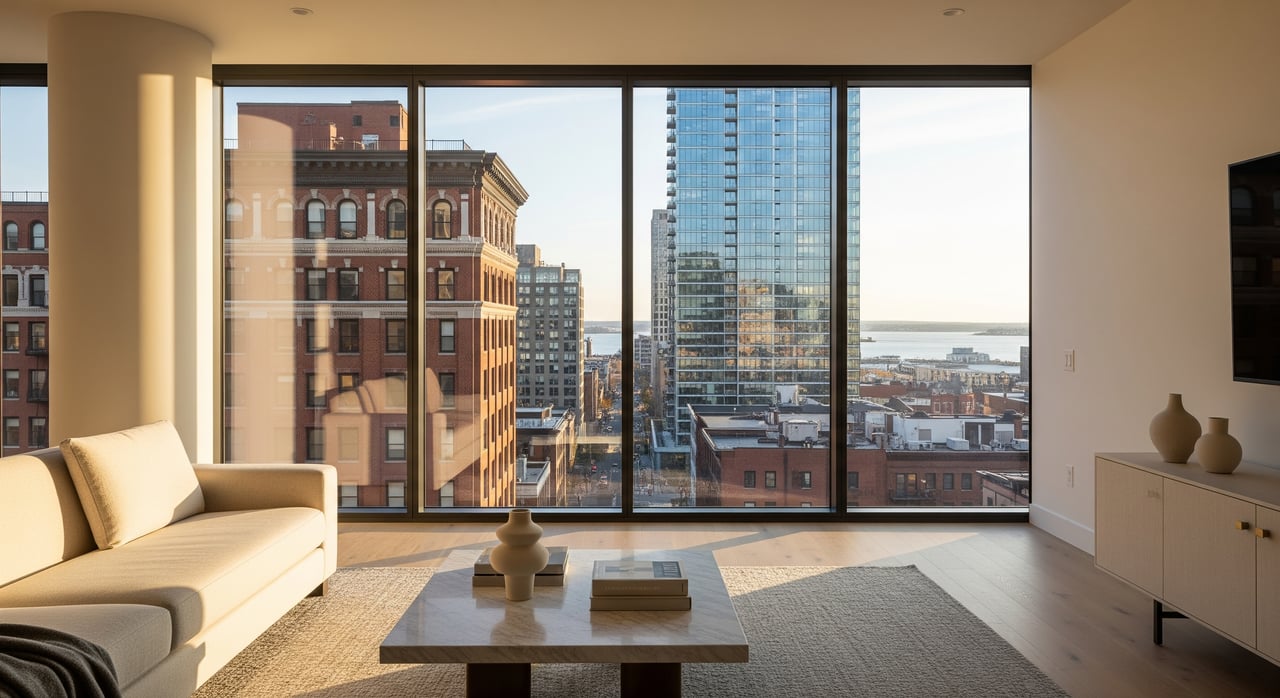
Torn between a shiny new condo downtown and a charming prewar building in New Rochelle? You are not alone. Each option delivers a different mix of fees, amenities, layouts, and commute convenience. This guide breaks down what matters most so you can match your lifestyle and budget to the right building. Let’s dive in.
Quick snapshot: which fits you?
- Choose a new downtown condo if you want robust amenities, a short walk to the Metro-North station, and modern systems with predictable warranties.
- Choose a prewar condo or co-op if you value larger rooms, classic details, and a lower baseline for amenities, with the tradeoff of more variability in assessments.
- Not sure? Use the checklists below to compare actual monthly costs and building policies side by side.
Ownership 101: condo vs co-op
Many prewar buildings in New Rochelle are co-ops or older condos. Most new high-rises are condominiums. The legal form affects your day-to-day and your resale options.
- Condos: You own your unit and pay property taxes directly. Financing and resale are often easier, and rental rules are typically more flexible.
- Co-ops: You buy shares in a corporation and pay monthly maintenance that usually includes the building’s property taxes and sometimes an underlying mortgage. Boards approve buyers and often set stricter sublet policies.
- Why it matters: Ownership form shapes your flexibility, total monthly costs, and how easy it may be to sell or rent in the future.
Monthly fees: what you really pay
Both building types charge a monthly fee that funds insurance, cleaning, staff, elevator service, utilities for common areas, management, and reserves.
- New development condos: Fees are often higher because they support amenities like concierge, gyms, lounges, roof decks, package rooms, and sometimes pools and parking garages. Property taxes are paid separately by the owner.
- Prewar co-ops or condos: Co-op maintenance often bundles the building’s property tax and any building mortgage, so the monthly number can look higher even with fewer amenities. Older condos may show lower HOA fees but could face near‑term capital projects.
What drives fees up or down:
- Amenity level and staff coverage, for example 24/7 doorman versus daytime only
- Building height and number of elevators
- Parking garage operations and EV charging
- Heat, hot water, and other utilities included in the fee versus owner-paid
- Insurance deductibles and reserve targets
Buyer checklist for fees:
- Confirm what is included, especially taxes, heat, hot water, and electricity
- Ask for the most recent board-approved budget, reserve study, and minutes for planned projects
- Verify any active or recent special assessments
- Check parking, storage, and amenity access fees if not included in the base HOA
Amenities: how to value them
Downtown towers typically offer a full-service lifestyle. Think concierge, fitness studios, co-working lounges, rooftop terraces, package lockers, bicycle storage, EV charging, and sometimes pools or spa features. Prewar buildings tend to offer a lobby, laundry, and perhaps a small gym or shared garden.
To evaluate value, consider what you pay elsewhere. If a building fee replaces a gym membership, storage unit, or valet-style services, the higher HOA can make sense. If you will not use the amenities, a smaller building with fewer services may be more cost-effective.
Layouts and character
- Prewar strengths: Higher ceilings, larger rooms, separate dining areas, period millwork, and thicker walls that can improve sound isolation. You may find flexible spaces for a study or home office. Renovations can be rewarding but may reveal older plumbing or electrical.
- New-construction strengths: Open-plan kitchens and living rooms, floor-to-ceiling windows, central HVAC with individual controls, in-unit laundry, and modern finishes. Reconfiguring plumbing or electrical cores can be harder, but cosmetic updates are straightforward and systems often have warranty periods.
Tip: Compare usable space, not just square footage. A well-proportioned prewar two-bedroom can live larger than a newer unit with the same number of square feet.
Total carrying costs: taxes, insurance, utilities
Understanding all-in monthly costs is key.
- Taxes: Condo owners receive individual tax bills. Co-op shareholders typically pay their share of building taxes through monthly maintenance. For county and city tax context, review the county’s guidance on property taxes via Westchester County’s official resources for property tax information.
- Insurance: Co-ops carry a master policy for the building, and shareholders insure interiors and contents. Condo owners carry an HO-6 policy for interiors and personal property, while the association insures common areas.
- Utilities: Heat and hot water are more commonly included in older co-ops. Condos are more often separately metered, which raises owner-paid monthly costs.
- Special assessments: Newer towers usually start with formal reserve studies, yet assessments can still happen. Older buildings with small reserves face higher assessment risk when major systems need work.
What to review before you commit:
- Three years of budget and maintenance or HOA history
- Current reserve study and any known capital projects
- Insurance coverage and deductibles for the building
- In co-ops, the portion of maintenance that represents property taxes
Commute and daily convenience
Downtown living puts you near the New Rochelle Metro-North station, Bee-Line buses, and the Main Street corridor. Express trains to Grand Central often run roughly 28 to 35 minutes, with local service taking longer. Check timetables and service notices on the MTA’s New Rochelle station page for exact times and schedules.
Prewar options sit across neighborhoods like Wykagyl, Beechmont, Huguenot, and along North Avenue. Many are walkable to local shops but may require a bus, bicycle, or car to reach the main station. Newer towers typically include garage parking and sometimes EV charging for an additional fee.
Driving to Manhattan is possible via I-95 and the Hutchinson River Parkway. Traffic and parking constraints make rail the favored choice for many commuters.
How to choose by lifestyle
- Lock-and-leave convenience: If you travel often or work long hours, a full-service condo with concierge, secure package handling, and on-site fitness can simplify daily routines.
- Space and character: If you want larger rooms, a formal dining space, or period details, a prewar condo or co-op may be the better fit.
- Budget certainty: If you prefer clearer separation of taxes and HOA, a condo’s line-item property tax plus HOA can help you track costs. If you want more included in one payment, a co-op’s maintenance may appeal, but remember it can change with taxes.
- Flexibility: If you want the option to rent or you anticipate a future resale to a broader pool, a condo’s typically more flexible policies can help. Always confirm building rules.
A simple comparison checklist
Use this list when touring to compare buildings on equal footing.
- Ownership: Condo or co-op, board approval process, sublet policy
- Monthly costs: HOA or maintenance amount, what utilities are included, property taxes (condos) or tax portion of maintenance (co-ops)
- Reserves and projects: Reserve study date, planned capital work, assessment history
- Amenities: Which you will actually use, any add-on fees
- Layout: Room sizes, storage, ceiling height, noise levels
- Parking and storage: On-site options, monthly costs, EV charging
- Commute: Walk time to the station, bus access, garage availability, sample express and local train times
Your next step
If you want a clear picture of total monthly costs, commute options, and building rules across specific New Rochelle addresses, we can help you compare line by line. From downtown towers to classic prewar buildings, we will pair local insight with practical due diligence so you can buy with confidence. Reach out to Totally Westchester to Start Your Westchester Move.
FAQs
What is the key difference between condo and co-op ownership in New Rochelle?
- Condos come with individual deeds and separate tax bills, while co-op maintenance typically bundles your share of building taxes and requires board approval for buyers and many policies.
How do monthly fees compare between new condos and prewar co-ops?
- New condos often have higher HOAs to support robust amenities, while co-op maintenance can look high because it includes taxes and sometimes a building mortgage despite fewer amenities.
What commute times can I expect from New Rochelle to Grand Central?
- Express trains commonly take about 28 to 35 minutes, and local trains are longer; verify current schedules on the MTA’s New Rochelle station page.
Are special assessments more common in older buildings?
- Older buildings with smaller reserves face a higher risk of assessments when major systems need work, though newer towers can levy assessments if unexpected issues arise.
Can I rent out my unit in a co-op or condo in New Rochelle?
- Condos generally allow more flexible renting, while co-ops often restrict subletting and require board approval; always confirm current building policies.
What documents should I review before making an offer?
- Request the latest budget, reserve study, board minutes, insurance summary, and for co-ops the breakdown of maintenance between operating costs and property taxes.