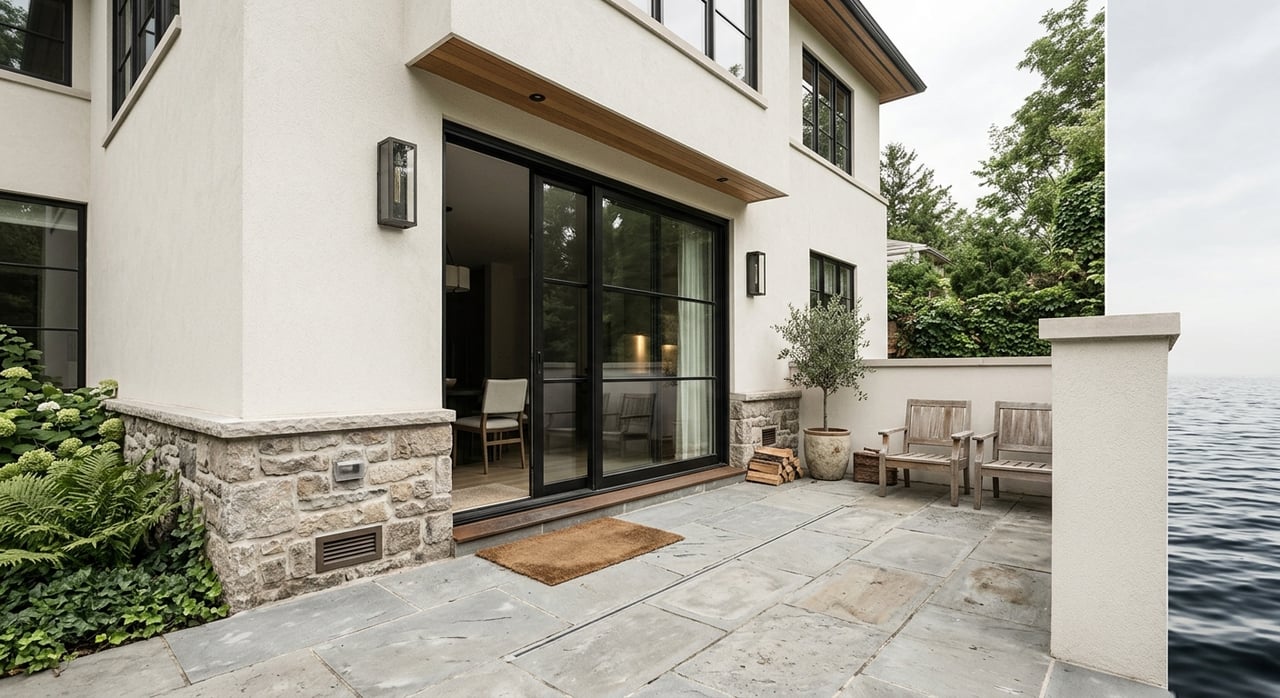
If you are looking at waterfront homes in Rye, you are not shopping in one simple market. You are stepping into a small, high-value segment where views, frontage, access, and flood-zone details can change both price and pace in a big way. Whether you are hoping to buy along the Sound or thinking about selling a shoreline property, understanding how this niche works can help you make smarter decisions. Let’s dive in.
Rye waterfront is a market within a market
Rye already stands out as a high-end housing market, and its waterfront inventory sits in an even narrower tier. The City of Rye notes that it has about 14 miles of coastline along Long Island Sound, which helps explain why shoreline living is such a defining part of the local lifestyle.
Current market snapshots also point to limited supply and elevated pricing. In March 2026, Redfin reported a median sale price of $2.2 million, 41 days on market, and 11 homes sold in Rye. Realtor.com reported 42 homes for sale, a 98% sale-to-list ratio, and a 30-day median on market, while also describing Rye as a seller’s market.
Those portal numbers do not match perfectly, but they tell a similar story. Inventory is tight, pricing is high, and small changes in available waterfront homes can have an outsized effect on negotiation room and buyer urgency.
What “waterfront” means in Rye
One of the biggest mistakes you can make is treating all waterfront homes in Rye as if they belong in the same bucket. In reality, this market spans everything from co-ops and townhomes to private estates with direct Sound frontage.
Recent sales show just how wide that range can be. A waterfront co-op at Milton Harbor House sold for $515,000 in March 2025. A Waters Edge townhome sold for $1.8 million, 20% above list, in just 2 days. A duplex half a block from the Sound on Dearborn Avenue sold for $1.435 million, while a waterfront estate on Parsonage Point sold for $7.305 million.
That spread matters because the label alone does not tell you enough. A home with direct water frontage, open views, privacy, and deeded access is very different from a near-water property or a home with shared amenities.
Features that drive value most
In Rye, waterfront value appears to be driven by a mix of physical location and lifestyle benefits. Buyers are often paying not just for a view, but for how the property connects them to the water.
The strongest premiums tend to show up when a home offers features such as:
- Direct frontage on Long Island Sound
- Wide, open view corridors
- Privacy and lot size
- Private beach access
- Dock, mooring, kayak, or marina access
- A move-in-ready condition level that matches the asking price
The City of Rye’s marina and marine services, along with listing language that emphasizes beach and boating access, reinforce how important that coastal routine is to many buyers. In this segment, lifestyle can carry as much weight as square footage.
Pricing is highly segmented
Waterfront homes in Rye do not move on one timeline. Some attract immediate interest, while others need patience, multiple pricing adjustments, and a longer runway.
The Waters Edge sale is a good example of fast demand when the product and pricing align. It sold in 2 days and above asking. On the other end of the spectrum, 12 Island Drive on North Manursing Island sold for $9.75 million in November 2025 after first listing in November 2023 at $13.95 million and going through multiple reductions.
That contrast tells you something important. Well-positioned waterfront homes can move quickly, but trophy properties are not immune to market resistance. Even exceptional homes may sit if the pricing, condition, or amenity package does not line up with the active buyer pool.
Why comparable sales need extra care
If you are buying or selling in Rye, comparable sales need to stay within the right shoreline tier. A waterfront townhome with shared amenities should not be treated the same as a private estate with direct frontage. A home near the water should not automatically be valued like one on the water.
This is where local context matters. The best pricing strategy comes from comparing homes with similar frontage, similar access, similar privacy, and similar flood-risk profiles, not just similar bedroom counts.
Demand is tied to lifestyle
Rye’s waterfront appeal is about more than architecture or price per square foot. For many buyers, the draw is daily life near the Sound.
Official city resources and local listing details repeatedly point to marina access, private beaches, mooring opportunities, kayak use, and beach-club proximity as key features. That means demand often centers on a lifestyle package, not just a property line.
For buyers, this is a reminder to look closely at how a home actually functions. A great water view may not deliver the same value to you as direct access, shared access, or easier boating logistics. For sellers, it means the story of the property should reflect how the home lives, not just how it looks in photos.
Flood zones and insurance matter early
In Rye’s waterfront market, due diligence is not something to leave for the last minute. Flood zones, insurance costs, and permit history are central parts of the buying and selling process.
The City of Rye has a Flood Advisory Committee and publicly shares flooding studies and mitigation information. Westchester County’s hazard mitigation planning also notes that Rye has tracked flood damage after major storm events and that the city’s floodplain regulations go beyond FEMA minimum standards.
That is important because flood exposure can affect both ownership costs and resale strategy. It can also shape what future improvements are possible.
What buyers should verify
Before you remove contingencies on a Rye waterfront home, several details deserve close review:
- Confirm the exact FEMA flood zone for the property
- Request a flood insurance quote early
- Review whether beach, dock, or mooring access is deeded or association-based
- Ask about prior elevation, drainage, or flood-mitigation work
- Review permit history for shoreline changes or flood-zone construction
FEMA’s mapping tools are the official source for flood hazard maps, Letters of Map Change, and elevation certificate records. In practice, exact-address verification should happen early, not near closing.
Insurance is separate from homeowners coverage
New York’s Department of Financial Services says flood insurance is separate from a standard homeowners policy. It also notes that coastal Westchester policies may include hurricane deductibles ranging from 1% to 5%, and that flood insurance generally has a 30-day waiting period before it becomes effective.
That timeline can matter if you are trying to coordinate financing or closing. DFS also states that flood insurance may be required for homes with mortgages from federally regulated or insured lenders in high-risk flood areas.
The same DFS guidance notes that flood coverage can be available even outside a floodplain, and that pricing depends on factors such as location, construction, deductible, and coverage limits. While DFS cites a national average flood premium of about $700 per year, actual quotes in Rye can differ materially because shoreline exposure and structure type play such a large role.
What buyers should expect in this market
If you are buying a waterfront home in Rye, speed and patience may both be part of the process. The right home can draw quick competition, especially if it is well presented, accurately priced, and offers meaningful access to the water.
At the same time, not every high-end listing will trade quickly. Some luxury properties spend more time on the market while sellers test pricing or wait for the right buyer.
Your best advantage is clarity. Know which features matter most to you, understand the real carrying costs, and separate emotional appeal from practical value. A beautiful shoreline setting is powerful, but it should be matched by smart diligence.
What sellers should know before listing
If you are selling a waterfront home in Rye, presentation and pricing need to reflect the property’s exact market tier. Buyers in this segment are often evaluating not just finishes and layout, but frontage quality, privacy, access rights, and flood-related details.
A thoughtful strategy starts with accurate comparisons and a clear understanding of what makes your property distinct. It also helps to prepare for buyer questions upfront, especially around insurance, permits, mitigation work, and whether access features are private or shared.
In a nuanced market like this, the goal is not simply to call a home waterfront and aim high. The goal is to position the home credibly, tell the right story, and meet the market with evidence.
Rye’s waterfront market is best understood as a spectrum. It includes entry points like waterfront co-ops, premium townhomes with shared amenities, near-water homes, and private Sound-front estates. The opportunity is real, but so is the complexity, which is why local guidance can make such a difference.
If you are thinking about buying or selling along the Sound in Rye, Totally Westchester can help you understand the local market, evaluate the details that affect value, and plan your next move with confidence.
FAQs
What makes Rye waterfront homes different from other Rye homes?
- Rye waterfront homes are a smaller, higher-end segment where value often depends on frontage, views, privacy, access to the water, and flood-zone considerations, not just size or finishes.
How much do waterfront homes in Rye cost?
- Recent examples range from a $515,000 waterfront co-op to a $9.75 million Sound-front estate, which shows that Rye waterfront housing includes several distinct pricing tiers.
Do waterfront homes in Rye always sell quickly?
- No. Some homes sell very fast, like the Waters Edge townhome that sold in 2 days, while others can take much longer if pricing or positioning does not match buyer expectations.
What should buyers check before buying a waterfront home in Rye?
- Buyers should verify the FEMA flood zone, get a flood insurance quote early, confirm whether water access is deeded or shared, and review prior flood-mitigation work and permit history.
Is flood insurance required for waterfront homes in Rye?
- It can be required if the home is in a high-risk flood area and the mortgage is from a federally regulated or insured lender, and flood insurance is separate from standard homeowners coverage.
Why do comparable sales matter so much for Rye waterfront pricing?
- Rye waterfront properties are highly segmented, so a near-water duplex, a waterfront townhome, and a private estate with direct frontage should not be treated as interchangeable comps.